
Antoine-Philippe de La Trémoille, Prince of Talmont
Commander of the cavalry of the Catholic and Royal Army, guillotined at Laval on January 27, 1794, at the age of twenty-eight.
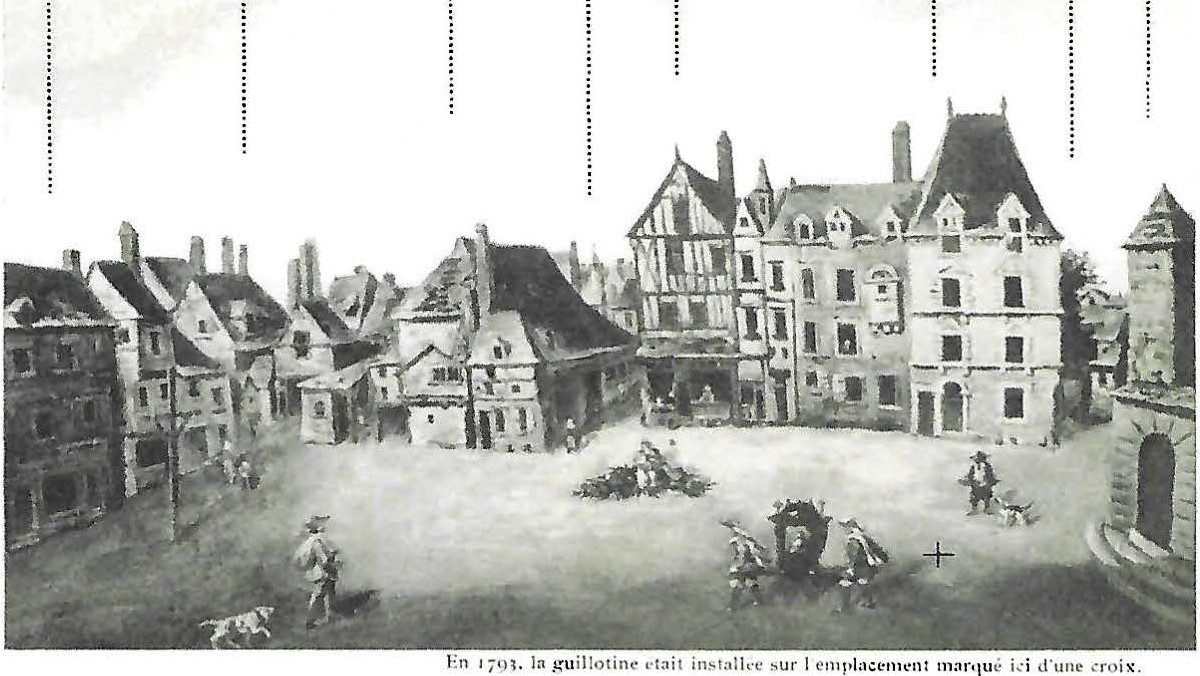
On January 27, 1794, at ten o’clock at night, on the old grain-market square of Laval, before the gate of his ancestors’ castle, the guillotine fell on the commander of the cavalry of the Catholic and Royal Army. He was twenty-eight years old. Here, following the research of historian Pierre Gréau, is the life of this forgotten nobleman.
The prince himself signed « Talmond, » with a d. Modern usage, and the name of our association, prefer « Talmont. » Both spellings refer to the same man and the same principality in Lower Poitou.
A princely family
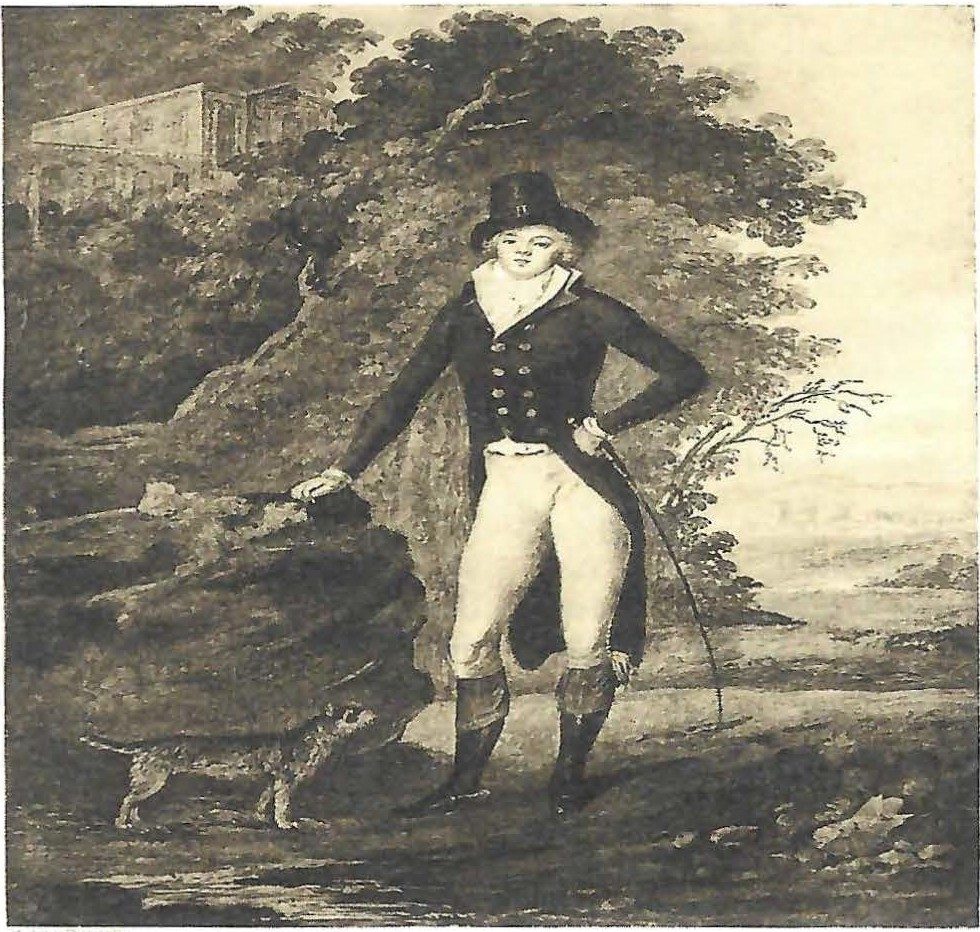
Antoine-Philippe de La Trémoille was most likely born in Paris on September 27, 1765, and baptized in the church of Saint-Merry. The record has never been found, since the registers burned in the fire of the Paris city hall in May 1871. He had a twin brother, Charles-Godefroy-Auguste, who entered the Church, became grand dean of the cathedral chapter of Strasbourg, and was guillotined in Paris in June 1794.
They were the sons of Jean-Bretagne-Charles-Godefroy, Duke of La Trémoille and of Thouars, peer of France, Prince of Taranto and of Talmond, Count of Laval and of Montfort, Baron of Vitré (1737-1792), and of Marie-Maximilienne de Salm-Kyrbourg. The eldest, Charles-Bretagne, Prince of Taranto (1764-1839), and the youngest, Louis-Stanislas-Kostka (1767-1837), completed the family. The House of La Trémoille had served the kings of France for nine centuries.
On January 23, 1785, Antoine-Philippe married Henriette-Louise d’Argouges, with whom he had a son, Charles-Léopold-Henri (1786-1815). A document of 1789 names him Prince of Talmond, Marquis of La Chapelle-la-Reine, and lord of Achères, Grez-en-Gâtinais and Fleury-en-Bière. He had served as second major in the Royal-Lorraine cavalry regiment, which he left in 1789 while it was garrisoned at Niort.
Revolution and emigration
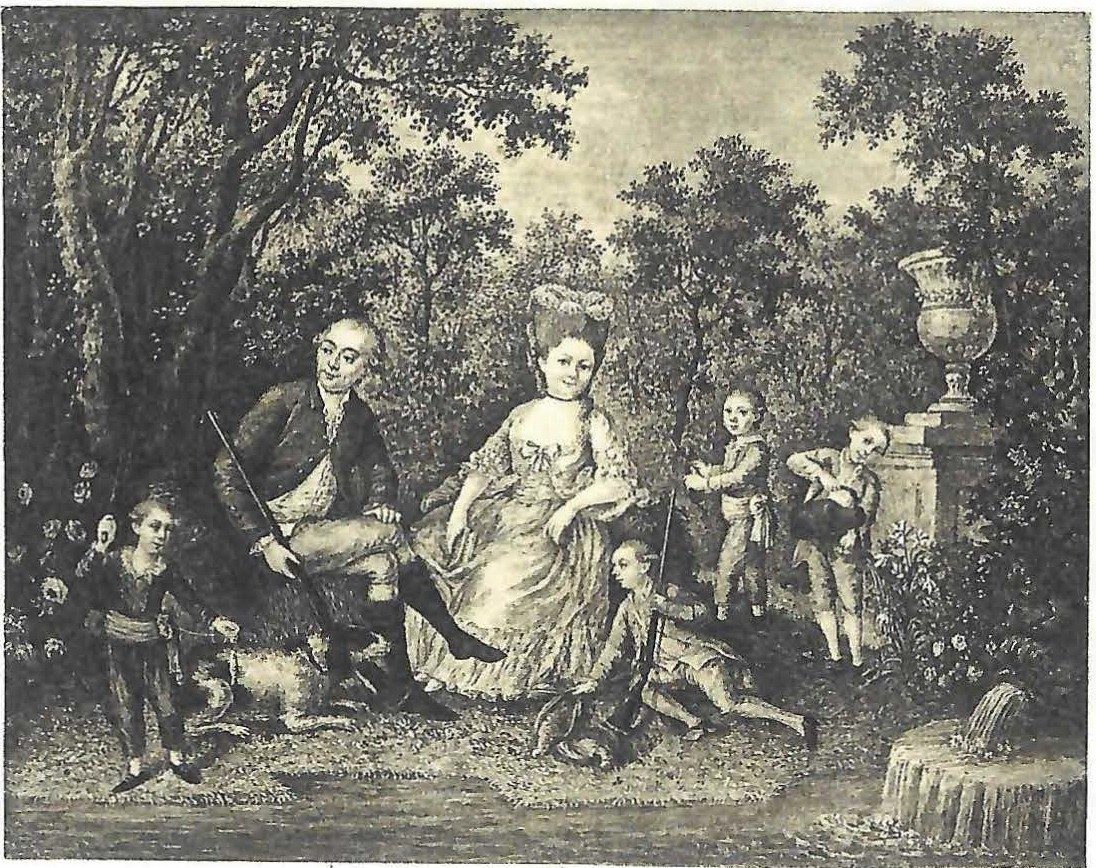
As early as July 1789, the family followed the Count of Artois to Turin. The prince abbot remained in Paris to manage the family estates. In May 1792, Antoine-Philippe went with his father to Chambéry, where the duke died on May 19; it was the last time the family was gathered together. The prince then escorted his sister-in-law to London and went on to Koblenz, where he very likely met the Marquis de La Rouërie, who had come to present his plan for an uprising in Brittany.
At the end of 1792 he was in Paris with a pass in his twin’s name. With the road to England closed, in April 1793 he set out westward with Nicolas-Isidore Magdelain, the prince abbot’s former cook: Amiens, Beauvais, Vernon, Dreux, Le Mans, Le Lude, Noyant. Arrested at Noyant, he was questioned at Baugé on May 20, 1793, under his brother’s identity, transferred to Angers, then released. He entered Angers on June 17, 1793, at one in the afternoon. By six that evening, the Catholic and Royal Army held the city.
Commander of the cavalry
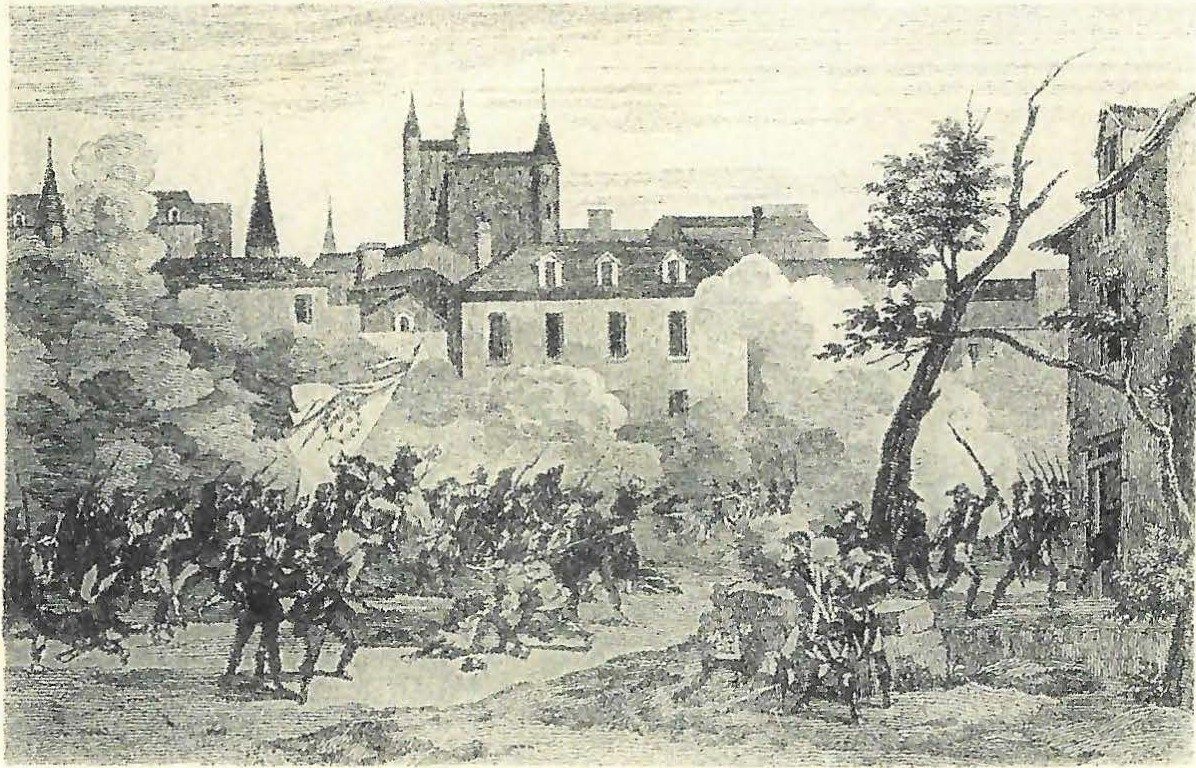
His name caused a sensation, and from then on he took part in every major action of the war. At the siege of Nantes on June 29, 1793, his horse’s head was shattered by a cannonball, and other witnesses say two horses were killed under him. Despite attacks of gout that often kept him in bed, he sat on the war councils at Châtillon-sur-Sèvre with d’Elbée, Bonchamps, Lescure, La Rochejaquelein and Stofflet.
Before Luçon, on July 30, he covered the retreat with the cavalry, which « performed prodigies of valor. » On August 14, the third attack on Luçon ended in a rout at the bridge of Mainclaye. On September 4, he signed the general regulations organizing the armies of the insurgent country.
The arrival of the Army of Mainz changed everything. The prince was beaten at Doué on September 14, then, with Bonchamps, attacked the retreating Mainz troops on September 22, after the victory of Torfou. On October 6, his cavalry fought at Saint-Symphorien.
Cholet and the crossing of the Loire
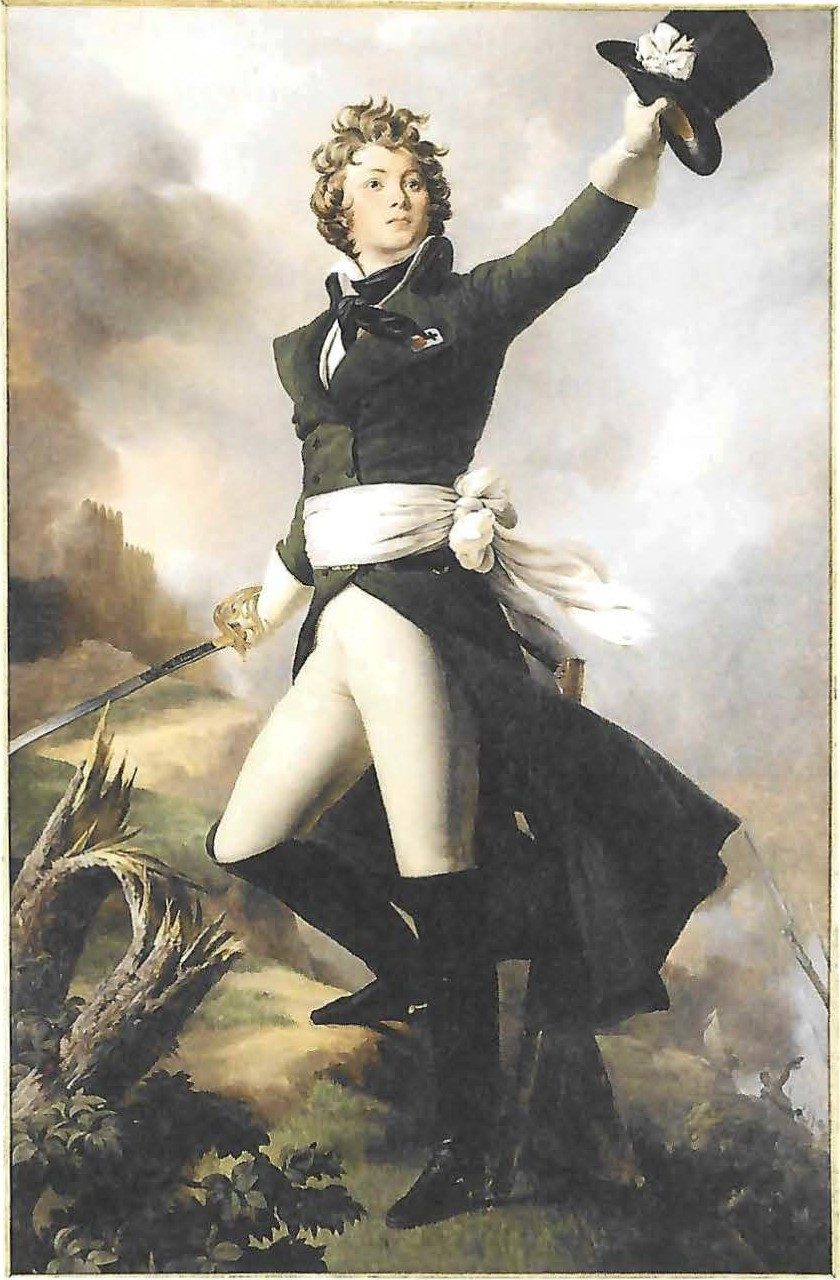
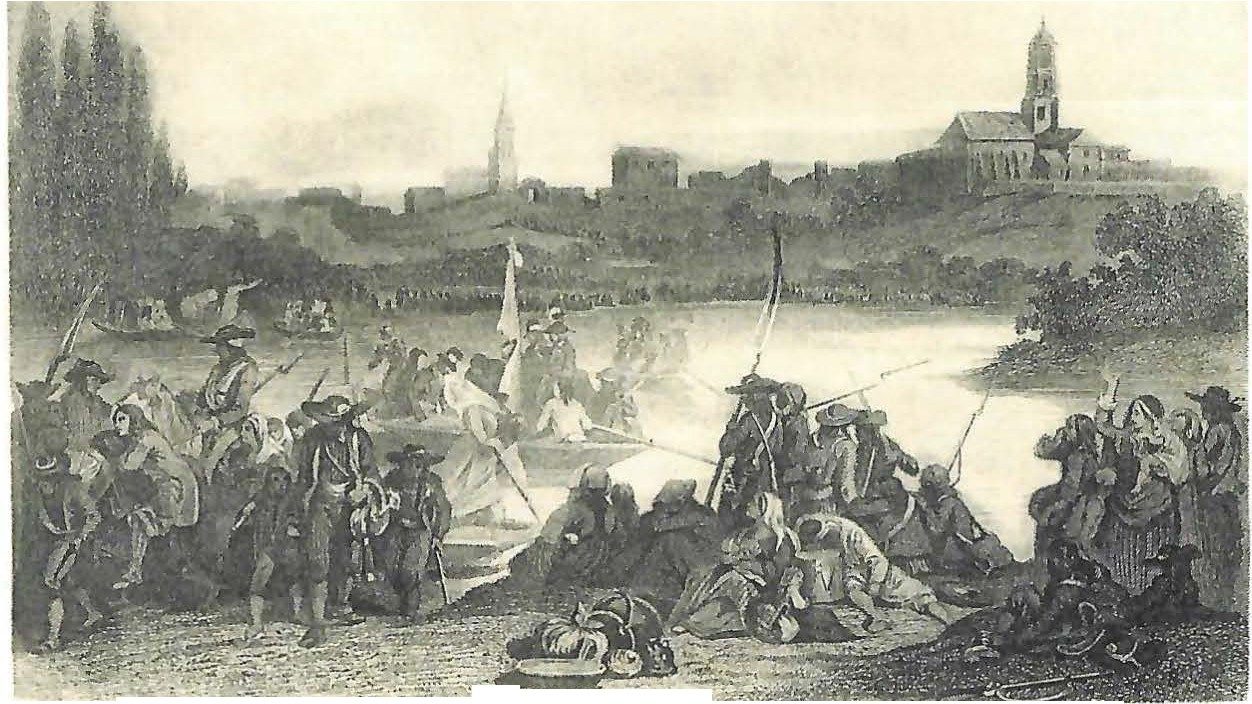
On October 16, 1793, at Beaupréau, the council decided to attack Cholet the next day and to send the prince and d’Autichamp, with four thousand Bretons and Angevins, to secure the crossing of the Loire by taking Varades. On October 17 at Cholet, d’Elbée and Bonchamps were mortally wounded, and the army fell back in disorder on Saint-Florent-le-Vieil.
The crossing of the Loire on October 18 was long held against the prince. Yet the most reliable witnesses, including the Marquise de La Rochejaquelein, show that it was forced by necessity: « a single port became the salvation of all. » On October 19 at Varades, Henri de La Rochejaquelein, aged twenty-one, was elected commander in chief.
Laval, the « Little Vendée » and the Virée de Galerne
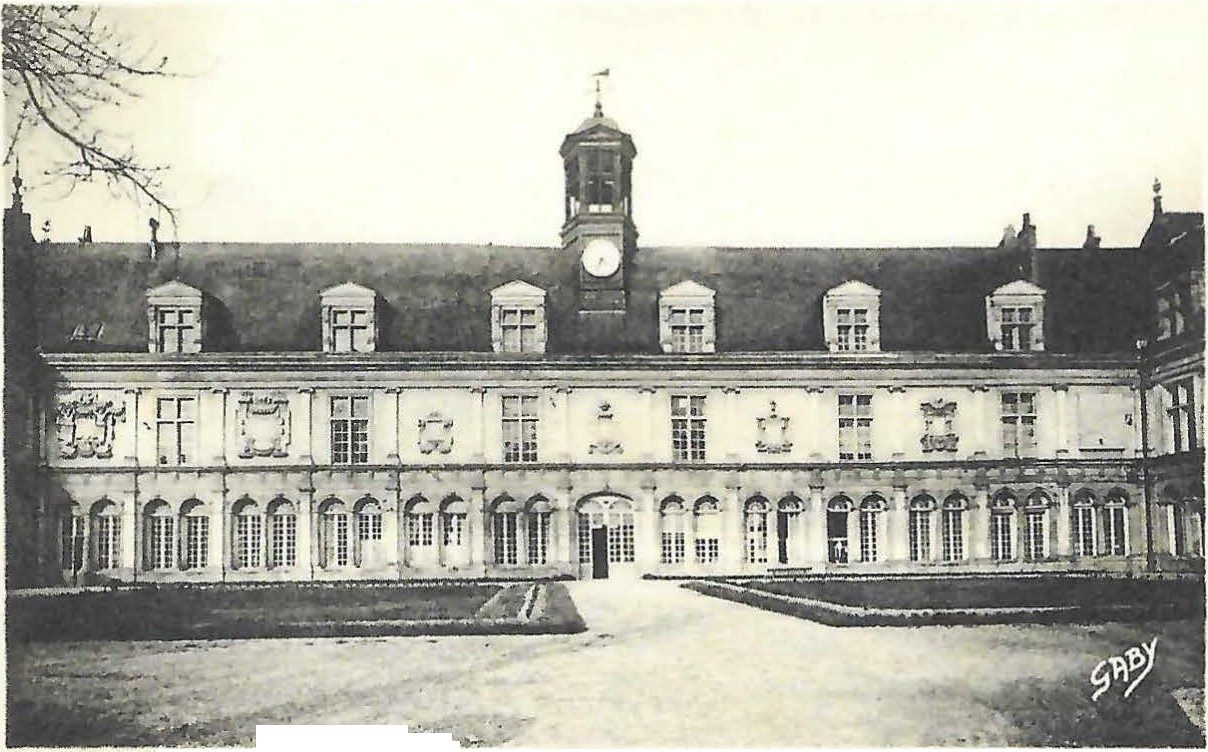
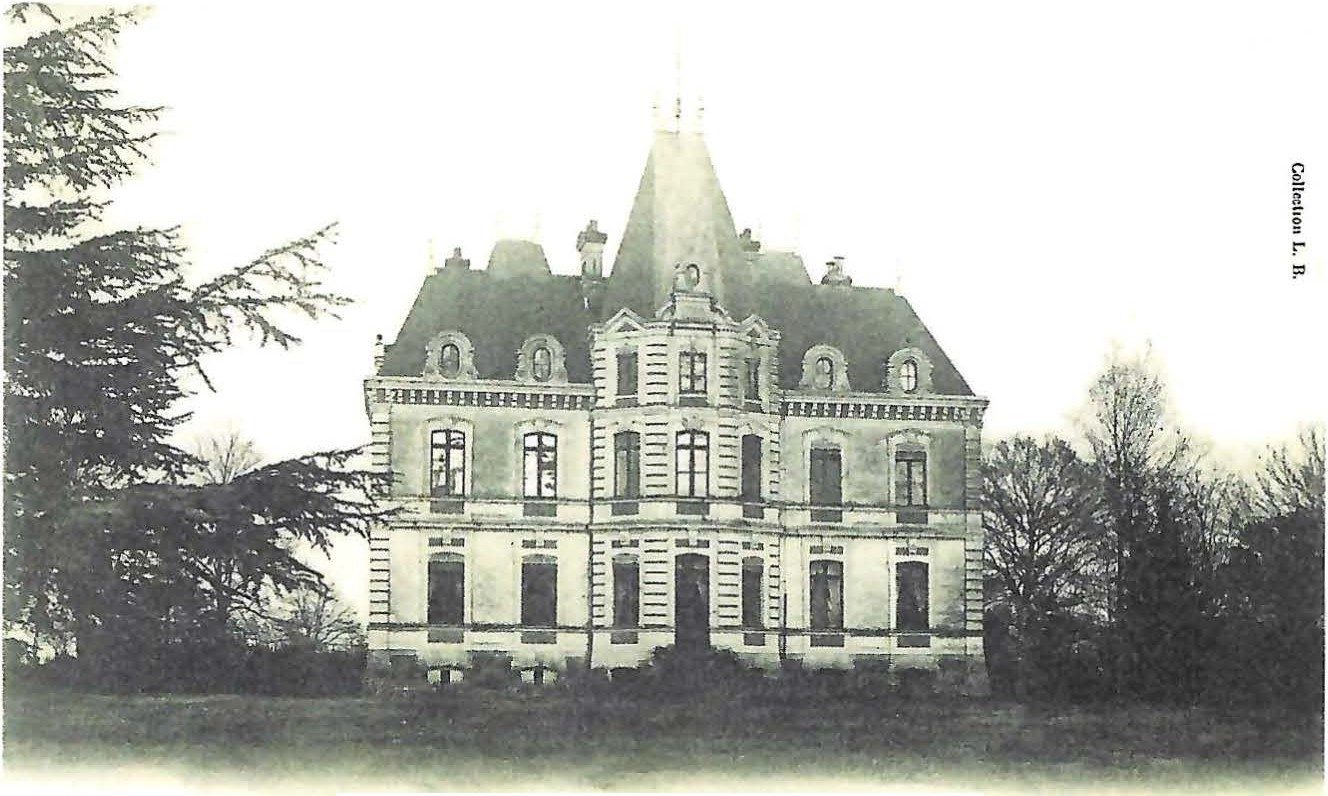
On October 23 the army entered Laval. The prince was at home there: by day he stayed in the castle of his forefathers, and at night he slept at Haute-Follis. He received the stewards’ accounts, raised contributions and lent money to the army. Several thousand Bretons and men of Maine, including the band of Jean Chouan, joined the army: the « Little Vendée. » On October 26, on the moors of La Croix-Bataille near Entrammes, the Republican army was routed.
The prince, who favored a march on Paris, signed with Donnissan, Beauvollier and Abbé Bernier the royal bonds issued to keep the army alive. On November 3 at Fougères, he and Forestier led the cavalry around the town and took it through the Saint-Sulpice gate. There he raised his own army under the banner of the La Trémoille arms, before returning to the ranks at Dol on November 10.
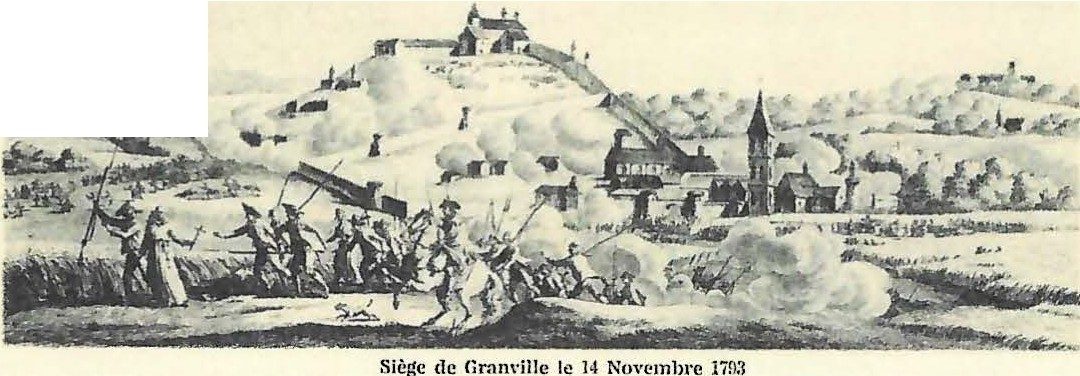
Near Avranches he tried to reach England by way of Mont-Saint-Michel « to hasten the arrival of help. » Brought back and harshly accused by Stofflet, he escaped a court-martial and swore never again to leave his men. After the failure before Granville on November 14, the army turned back toward the Loire. At Dol, on November 21, he alone held his ground with his men of Maine at La Croix-Feuillade while other columns fled; La Rochejaquelein proclaimed him the victor of the day. At Antrain he sent for Abbé Bernier to prevent the massacre of the Republican prisoners locked in the church.
From Le Mans to Blain
After the failure before Angers (December 3-4), the army was crushed at Le Mans on December 12 and 13, 1793. On December 16, near Ancenis, the prince crossed the Loire and then crossed back, because he had promised his men he would return: he was the only one to do so. On December 19 at Blain, the council elected Fleuriot commander in chief. The prince left the army.
Malagra, Rennes, Laval
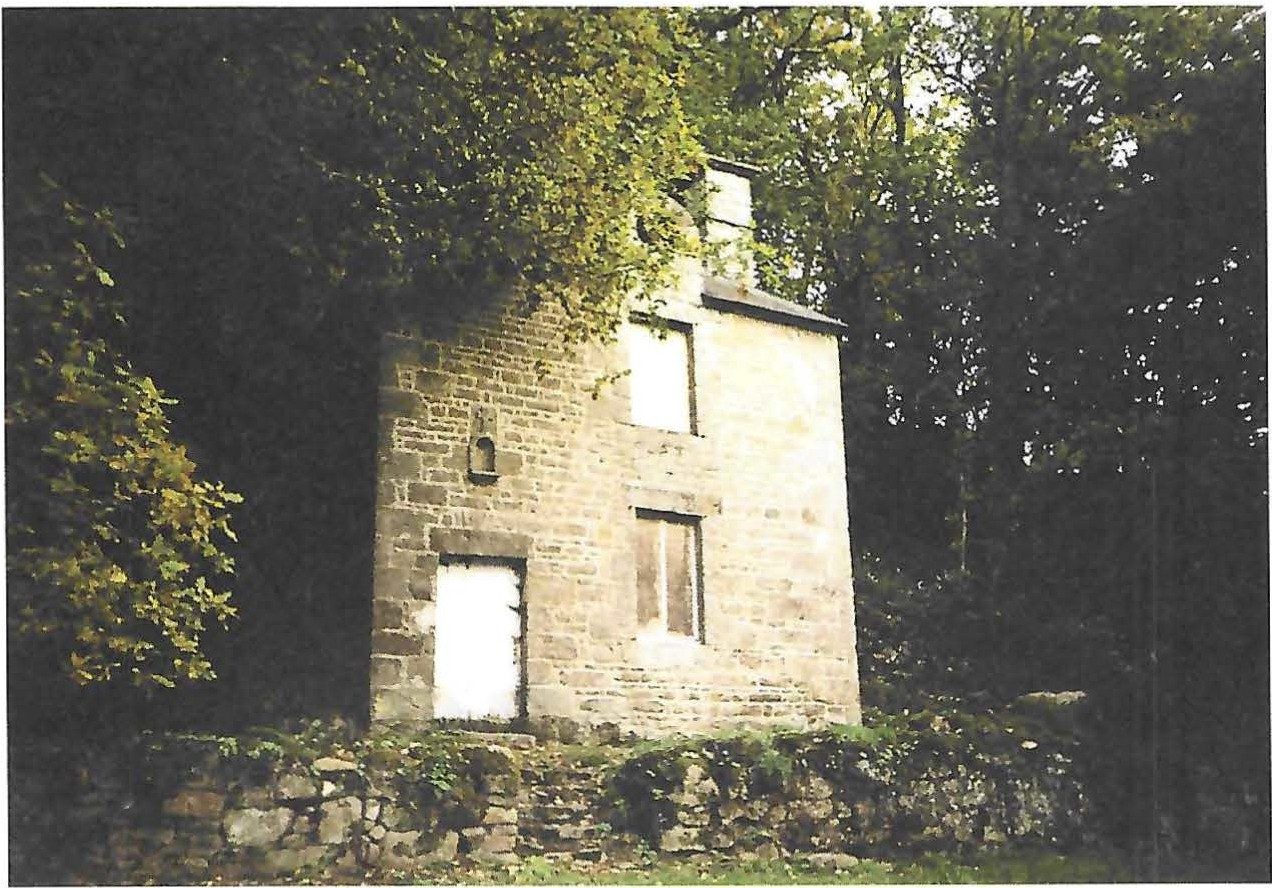
With Magdelain, he made his way through the forests to the ironworks of Port-Brillet. On the road he met two Republican prisoners whose lives he had saved, Bougon-Longrais and Richer. On the night of December 30-31, 1793, the national guard arrested them at the house of Malagra, at La Bazouge-du-Désert, near Fougères.
Ill and burning with fever, the prince was questioned at Rennes by the representative Esnue-Lavallée and then taken to Vitré. He answered that he had served his God and his king. On 7 Pluviôse Year II (January 26, 1794), the military commission sentenced him to death. The next day, January 27, 1794, he was guillotined at Laval by torchlight, before the castle gate. His head was displayed on a pike above the gateway; his body was buried on the moors of La Croix-Bataille, where he had fought three months before.
« The Prince of Talmond died a hero. He had lived as one. »Joseph de Puisaye, letter of December 25, 1794
Memory and final resting place
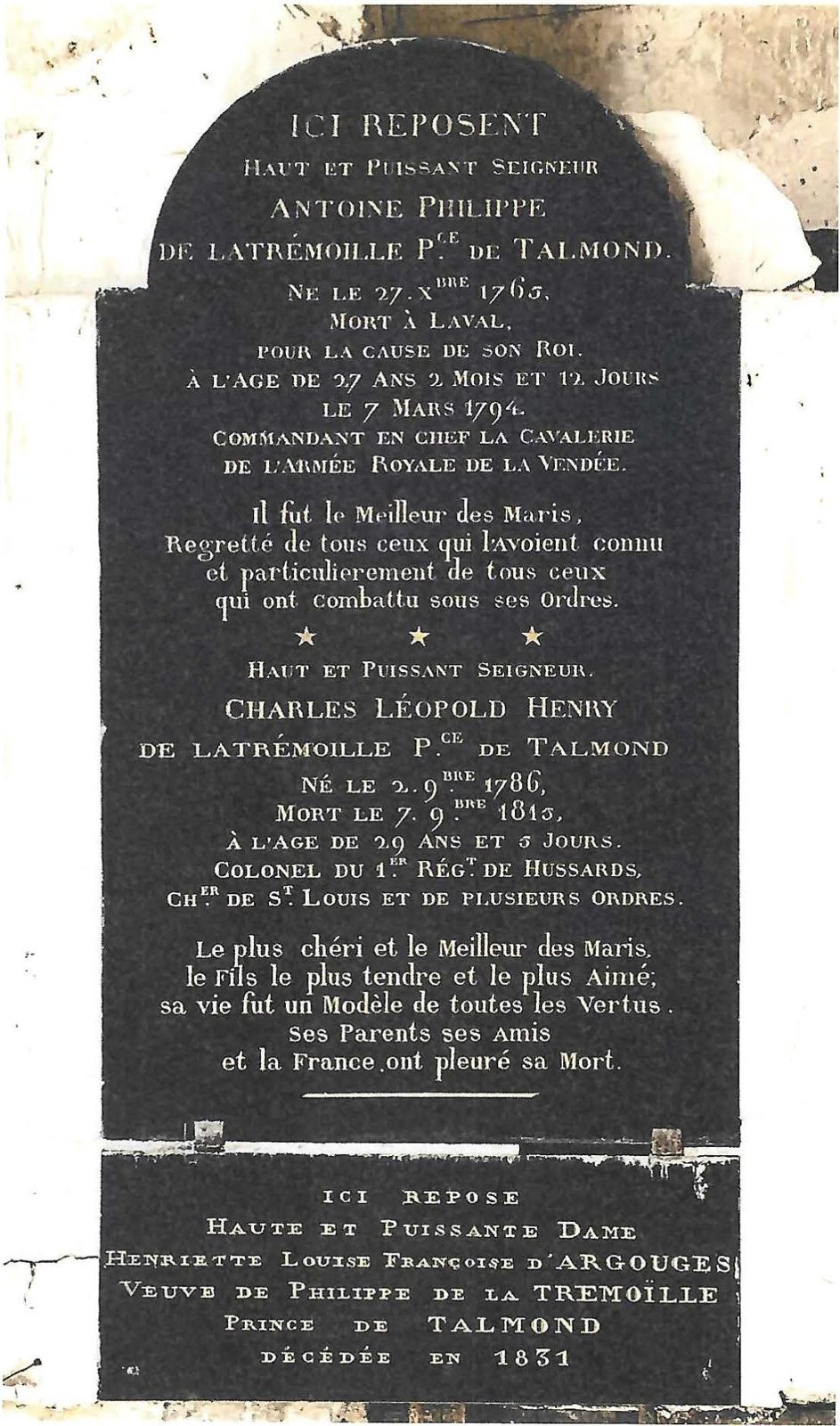
The prince’s head, taken away by a courageous woman, was given to his widow, who kept it at the château of Fleury-en-Bière. On November 11, 1815, his remains were laid in the vault of the church of Fleury, beside his son Charles-Léopold. A funeral plaque there recalls that he died « for the cause of God and of his king. »
At Laval, a memorial chapel in the form of a Greek temple was begun on the moors of La Croix-Bataille in 1828, blessed on August 30, 1829, never completed, and demolished in 1868. Our association exists so that this memory will not be lost.
Join the Association
Memorial Masses, pilgrimages to the places of his life, lectures: take part in honoring the Prince of Talmont and the fighters of the Vendée.